When I started working with small business owners and community organizations in Southern California, one thing became clear very quickly: the clothes people wear to represent their group are not just fabric and ink. They are a handshake, a first impression, a badge of belonging. Whether it is a softball team showing up at a weekend tournament or a coffee shop outfitting its staff for the morning rush, what they choose to wear says something real about who they are. And that is where the right approach to custom apparel can make all the difference.
Over the past decade, I have seen the landscape of decorated clothing shift dramatically. Online print-on-demand services have made it easier than ever to order a handful of shirts with a logo slapped on them. But easy does not always mean good. For organizations that need consistency, durability, and a look that actually reflects their identity, the old-school methods of screen printing and embroidery still offer something that digital shortcuts cannot match.
Screen Printing vs. Embroidery: Two Different Tools for Two Different Jobs
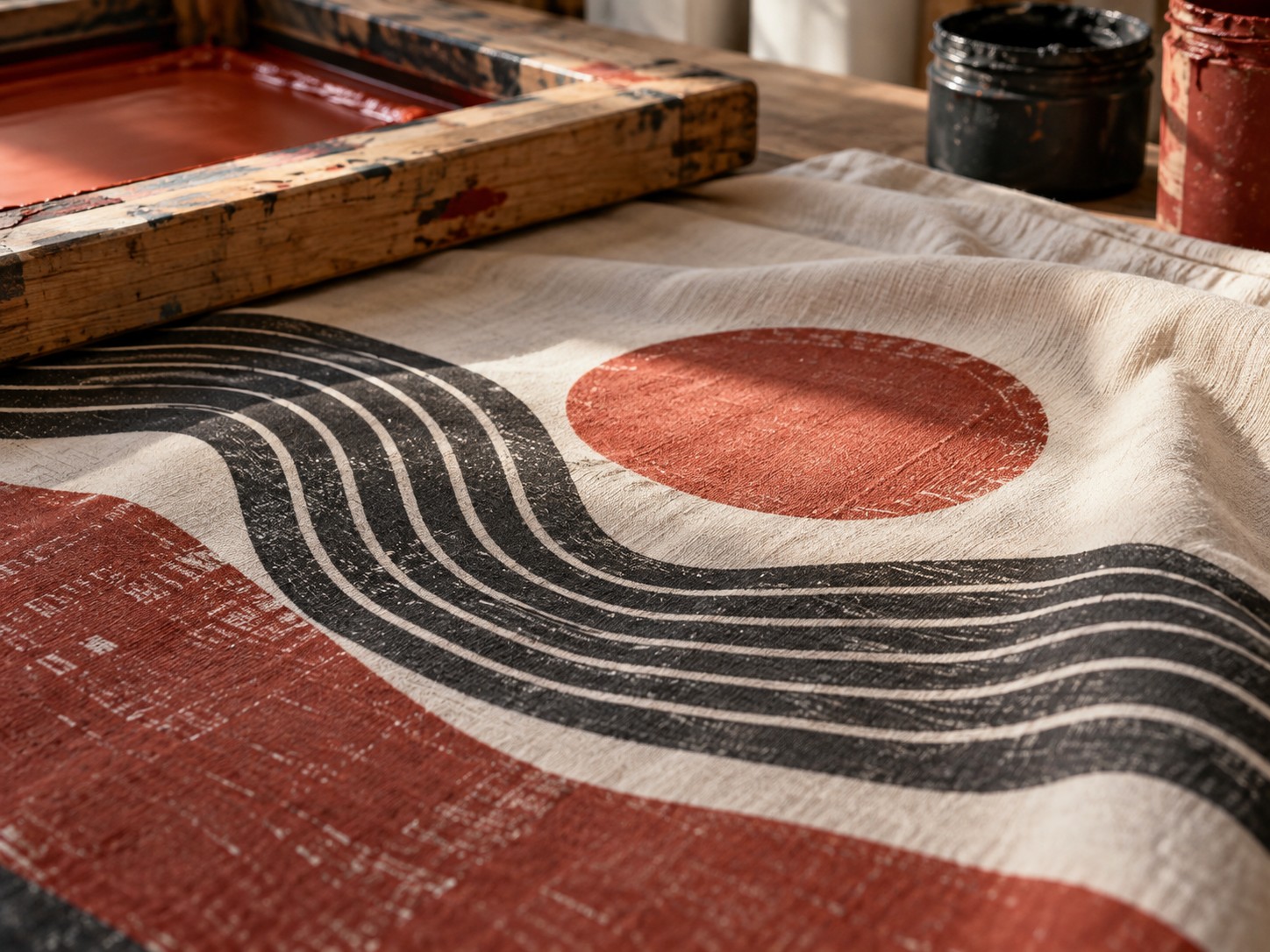
One of the first questions I get from someone new to ordering custom apparel is whether to go with screen printing or embroidery. The honest answer is that it depends on what you are making and how you plan to use it. Screen printing works best for bold, simple designs on cotton or cotton-blend fabrics. It lays down a layer of ink that sits on the surface of the shirt, which gives you bright, opaque colors even on dark garments. For large orders of T-shirts, hoodies, or tote bags, screen printing is typically the most cost-effective route.
Embroidery, on the other hand, excels on items that need to look polished for years. Think polo shirts, jackets, hats, and work uniforms. The thread sits on top of the fabric and creates a textured, dimensional look that holds up to washing and wear much better than printed ink. I once worked with a local auto repair shop that had tried iron-on patches for their mechanics' uniforms. Within three months the edges were peeling. They switched to embroidered polo shirts and those same uniforms still looked professional two years later.
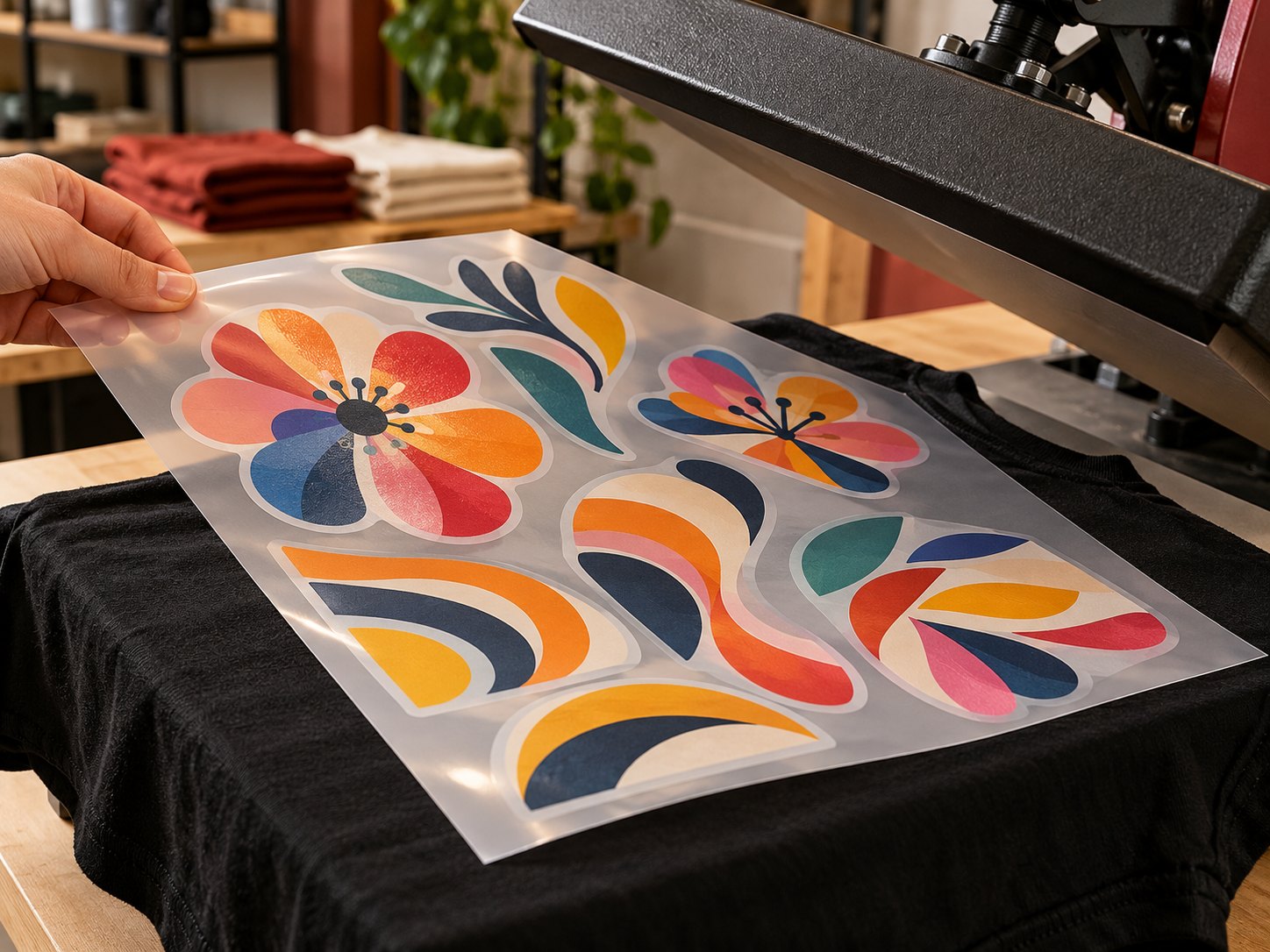
The trade-off is that embroidery is not great for very small text or highly detailed images. If your logo has fine lines or tiny lettering, screen printing or even a well-done digital transfer might be a better fit. The key is matching the production method to the garment and the design, not just picking whichever option sounds fancier.
Why Fabric Choice Matters More Than Most People Think
Another thing I have learned the hard way is that the blank garment you start with is just as important as the print or embroidery on top of it. A cheap T-shirt might save you a few dollars per piece, but if it shrinks two sizes after the first wash or starts pilling after a month, the people wearing it will not feel good about representing your brand. That matters more than you might expect.
I remember helping a local youth sports league order their first set of team shirts. They wanted to keep costs low, so they chose a budget brand of blanks. Two weeks after the shirts were delivered, I started getting calls from parents saying the shirts had shrunk unevenly and the logos looked crooked. We re-ordered on a better quality brand, and the feedback flipped completely. The kids wore them to school, the parents wore them to games, and the league ended up ordering more for the following season.
When you are sourcing custom apparel, ask your supplier what blanks they carry and whether they have samples you can feel in person. A good print shop will let you touch the fabric before you commit to a bulk order. Look for ringspun cotton or tri-blends if you want softness and durability. For performance wear, polyester blends with moisture-wicking properties are worth the extra cost if your team is active outdoors.
Connect with us on Instagram.
Design Considerations That Actually Save You Money
One of the biggest mistakes I see organizations make is overcomplicating their artwork. They want gradients, drop shadows, and multiple ink colors because they think it looks more professional. In reality, a clean two-color design printed on a quality garment almost always reads better than a busy four-color print that bleeds into the fabric.
Screen printing charges are typically based on the number of colors in your design. Each additional color adds a new screen and a new setup fee. If you are ordering fifty shirts, that extra color might double your per-piece cost. A good printer will show you how to simplify your logo without losing its identity. Sometimes that means converting a gradient to a two-tone halftone. Other times it means dropping a background element that does not add much visual weight.
For embroidery, the same principle applies. Dense stitching with lots of color changes can make a patch look great up close, but it also adds time to the machine run and can make the finished product stiff and heavy. A well-designed embroidered logo uses thread colors that contrast well with the garment and keeps the stitch count within a range that the fabric can handle comfortably.
What Makes a Good Partner for Custom Apparel
I have worked with print shops that treated every order like a transaction and shops that treated it like a collaboration. The difference is night and day. A good partner will ask you questions about how the shirts will be used, who will wear them, and what kind of lifespan you expect. They will show you proofs before production and they will be honest about turnaround times and limitations.
When you are choosing a supplier for custom apparel, look for someone who has been in the business long enough to have seen the common problems. Ask them about their minimum order quantities and whether they offer rush services. Find out if they do in-house production or if they subcontract to another shop. In-house production usually means better quality control and faster turnaround if something goes wrong.
I also recommend asking for samples of their previous work, especially on the type of garment you are ordering. A screen print that looks great on a smooth 100% cotton T-shirt might crack on a textured performance fabric. Seeing actual examples before you commit can save a lot of frustration later.
Practical Advice for First-Time Buyers
If you have never ordered custom apparel before, here are a few things I wish someone had told me earlier.
- Order one or two samples of the actual garment before placing a bulk order. Wash and dry them the way your team will. Check shrinkage and colorfastness.
- Always order 10-15 percent more than your current headcount. People will want extras, and sizes run differently across brands. Having a few spares prevents reorder headaches.
- Get your artwork in vector format if possible. EPS or AI files scale cleanly and give the printer the best chance of a sharp result. If you only have a JPEG, ask the printer if they can convert it. Many will, for a small fee.
- Be upfront about your deadline. A good printer can usually accommodate a rush order if they know about it early. Waiting until the last minute limits your options and raises the chance of mistakes.
- Think about how the garments will be distributed. If you are ordering for a team or a company, having them shipped to a single location and then handed out individually can save on shipping costs and avoid lost packages.
These steps might seem like extra work, but they pay off in the finished product. The goal is to end up with something that people actually want to wear, not something that sits folded in a drawer until the next company picnic.
Why Local Still Matters
It would be easy to order everything online from a national chain and hope for the best. But there is real value in working with a local provider who understands the climate, the culture, and the specific needs of groups like yours. A shop that is based in the same community as your team can offer faster turnaround, face-to-face consultations, and a level of accountability that a remote warehouse cannot match.
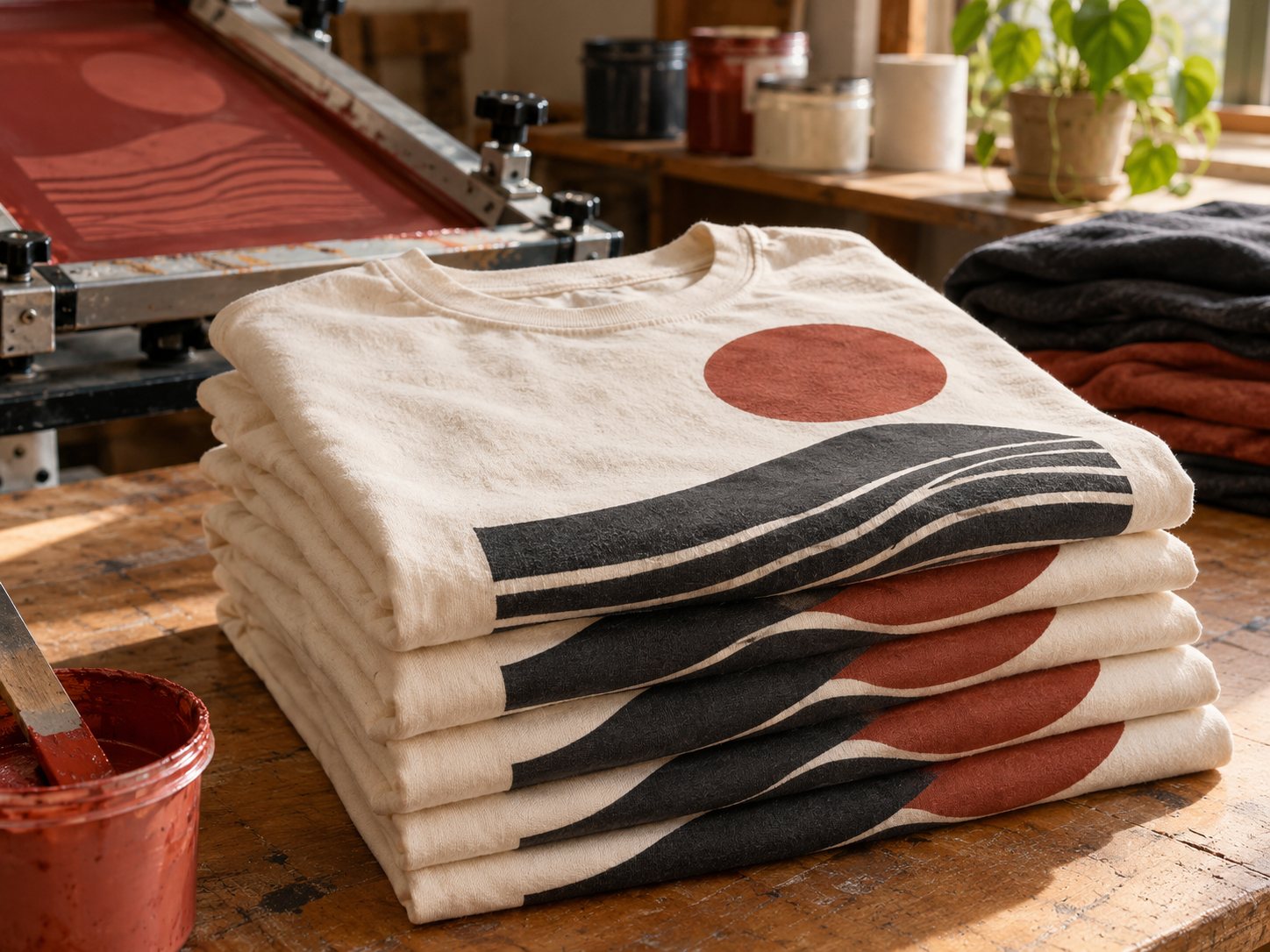
For businesses and organizations in Garden Grove and the surrounding area, having a reliable local partner for custom apparel means you can see the fabric before you buy it, adjust the design in person, and get your order delivered on time without paying extra for cross-country shipping. It also means you are supporting a local business that in turn supports local jobs and events. That kind of relationship makes a difference when you need something done right.
If you are looking for a shop that has been doing this work for years and knows the ins and outs of screen printing and embroidery, DSP Printing at 11611 Salinaz Dr Ste O, Garden Grove, CA 92843, USA, phone +1 714-951-4919, offers custom screen printing and embroidered apparel services for businesses and organizations. They have the experience and the equipment to handle orders of all sizes, and they treat every job as a partnership rather than just another order.